What Boys Are Learning About Masculinity, Sex, and Relationships: A Q&A With Byron Hurt About Our Hypersexualized Culture

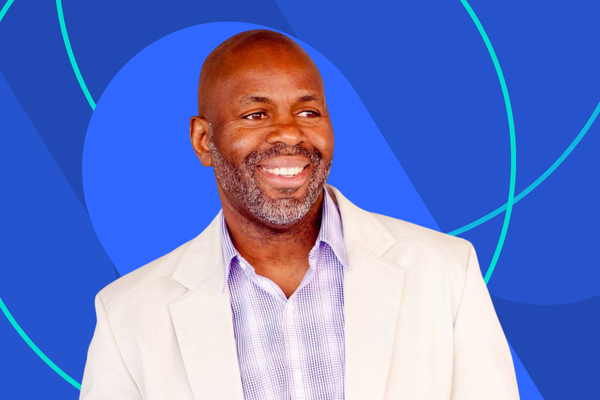
Byron Hurt has spent more than two decades examining the ways media, culture, race, and gender shape ideas about masculinity and relationships. As an award-winning filmmaker, educator, speaker, and gender violence prevention advocate, Hurt has explored how pornography and hypersexualized media influence boys’ perceptions of girls and women, reinforce harmful ideas about masculinity, and shape expectations for intimacy and relationships.
“Porn is not real life,” says Hurt. “It is a construction of a power hierarchy where men dominate, control, and subjugate girls and women. We have to teach boys and men that pornography disrupts their ability to form loving, healthy, functional relationships.”
In this Q&A, Hurt takes a closer look at the messages boys absorb and the role parents, educators, coaches, mentors, and other trusted adults can play in challenging them. He also explores how race and culture shape ideas about masculinity and sexuality, particularly for boys and men of color.
Watch Byron Hurt in conversation with Culture Reframed’s Dr. Gail Dines, Dr. Mandy Sanchez, and Dr. Jackson Katz from our recent webinar, “Raising Boys in the Age of Porn Culture.”
When you look at the messages boys are absorbing from hypersexualized media and pornography, what worries you the most about the impact on their identity and their ability to build healthy relationships?
What worries me the most is how boys and men are internalizing these images of hypersexualized girls and women in pornography, which then leads to their general misconceptions about all girls and women. The stories told about girls and women in porn — that boys and men are absorbing — are so easily accessible and normalized. Research has shown that consistent viewing of pornographic images leads to emotional disconnection with the girls and women in their lives. It doesn’t help that these messages about women in porn are so easy to access; all they have to do is pull them up on their cell phones. These crassly objectifying images of girls and women lead to a level of dehumanization that I find really scary and troublesome, to say the very least.
How can we help boys distinguish between the unhealthy messages they receive from pornography and healthy intimacy and relationships built on empathy, respect, and genuine connection?
People who educate boys about gender issues, men’s violence against women, and about porn culture have to make it clear in no uncertain terms that pornography shapes their views on girls and women, even if they don’t see the impact. We have to teach boys that pornography is a multi-billion-dollar industry that is designed to fulfill boys’ and men’s sexual fantasies at the expense of girls and women. Porn is not real life. It is a construction of a power hierarchy where men dominate, control, and subjugate girls and women. We have to teach boys and men that pornography disrupts their ability to form loving, healthy, functional relationships with girls and women.
When we consume porn without considering the harm it causes to the women in the porn industry, it essentially wires our brains to see women as nothing more than sex objects and less than human. How can you have healthy relationships with a gender you don’t consider fully human? Or that you only view them in terms of their ability to serve you sexually? How can you treat girls and women in society with respect if porn trains your mind to disrespect the women whose bodies are literally being exploited for our consumption and pleasure? These are the questions we have to ask boys to think about when talking about pornography.
In your experience, what role do fathers, coaches, mentors, and other male role models play in helping boys develop healthier views of masculinity and relationships? What advice do you have for them?
Men play a much bigger role in helping to disrupt unhealthy notions of masculinity than we tend to believe. Sadly, older men indoctrinate boys into a world of unhealthy masculinity by encouraging them to objectify the girls and women in their lives sexually. But boys need to hear from us, early and often, that manhood has nothing to do with disrespecting and denigrating girls and women. Coaches, mentors, and other role models have incredible access to young boys through sports culture, mentorship programs, and in other social and educational environments. So if we men spent way more time talking about the importance of seeing girls and women in society as our equals worthy of respect and humanity, and sending the message that causing harm to girls and women is not manly, I think we’d see more positive examples of manhood than we currently do in our society. And of course, we have to model the behavior where we are asking boys to make a part of their daily value systems.
In what ways do race, gender, and culture influence how boys learn what it means to “be a man,” particularly in relation to sexuality and intimate relationships?
Historically, white supremacy created stereotypes of Black boys and men as oversexed, dangerous, criminal, rapists, and people whose innate strengths are tied to our virility and athletic prowess. Unfortunately, too many Black and Brown men have bought into these constructions of Black and Brown masculinity. Movies, sports culture, and fraternity culture in the Divine Nine have fed those stereotypes for generations and are hard to overcome because they are easy to replicate in our own lives. American culture teaches Black boys that our value and worth are our bodies, not our intellect. So there is a lot of programming that we Black men and men of color need to unlearn. The good news is that many Black and Brown boys and men clearly understand that these images are, in fact, stereotypes that were created for us and not by us. Many of us understand that these stereotypes are not who we really are as human beings. The sad part is that too many Black boys and men of color haven’t had the type of media literacy training and education to help us understand what’s being fed to us.
What conversations do we need to be having about masculinity and pornography, particularly in communities of color, that aren’t happening often enough?
To be honest, I don’t see many conversations about masculinity and pornography happening in communities of color. I don’t know that I have seen one conversation organized by men of color. I’ve never participated in one. Most conversations are enveloped in a broader conversation about men’s violence against women, not centered specifically on pornography. Or, the conversations have been led by white men. This clearly needs to change. This is food for thought for me and a call to action to other men of courage. I think this conversation has to happen where men of color gather and feel safe to be honest and vulnerable. Barbershops, sports locker rooms, men’s groups led by progressive male leaders and influencers, and, wherever possible, in schools where media literacy classes are offered.
Watch our webinar “Raising Boys in the Age of Porn Culture” featuring Byron Hurt and Dr. Jackson Katz, for a deeper conversation about how pornography and hypersexualized media shape boys’ understanding of masculinity, relationships, and gender—and what we can do to help them develop healthier perspectives.